Key Takeaways
- A close review of structure, systems, drainage, moisture, and prior repairs should match historic character.
- An older house is not automatically subject to historic-preservation rules.
- Exterior work within Easton’s Historic District may require review and a certificate of appropriateness.
- Buyers should plan for routine upkeep, specialized repairs, and unexpected conditions concealed by finished surfaces.
- Property records, permits, inspections, insurance quotes, and renovation requirements all affect the true cost of ownership.
Buying a historic home in Easton, Maryland, can mean living with original floors, handcrafted trim, brickwork, deep porches, and a streetscape shaped over generations. It can also mean taking responsibility for materials and systems that need more attention than those in a recently built house. Buyers comparing neighborhoods, property types, and renovation potential can turn to Easton, MD, real estate experts Benson & Mangold Real Estate. Benson & Mangold Real Estate provides home-search and real estate services across the Eastern Shore, including Talbot County and nearby Mid-Shore communities, giving buyers a useful local perspective when weighing a home’s condition, setting, and long-term fit. The goal is not to avoid older homes. It is to understand what makes a particular property special, what needs attention now, and what may become a future project. A house with tall windows and original millwork may be a wonderful match for the right buyer, provided the roof, wiring, plumbing, insulation, and drainage are assessed with equal care.
Why Historic Homes Continue to Appeal to Easton Buyers
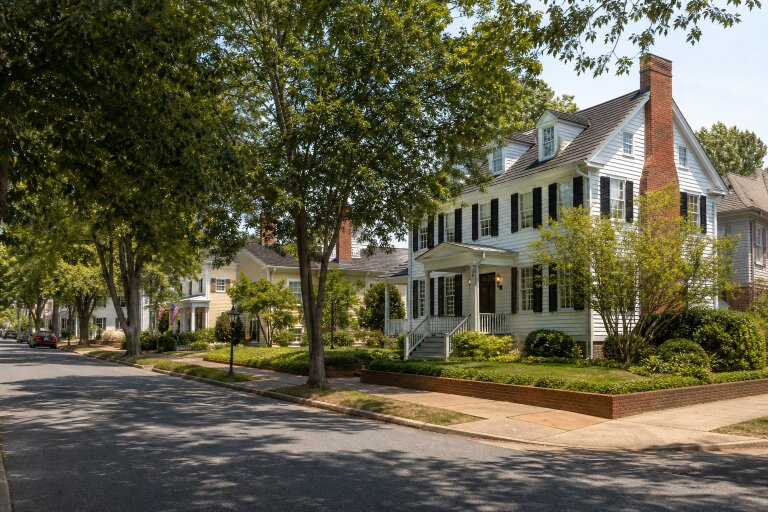
Easton’s established neighborhoods offer a sense of place that cannot be added after construction. Mature trees, walkable blocks, older commercial areas, and homes with distinctive proportions can appeal to buyers who want more than a standard floor plan. Original doors, staircases, mantels, heart-pine flooring, and masonry can offer both visual appeal and practical value when well-maintained. Still, character is not a substitute for due diligence. Older construction can include layers of repairs and alterations completed over many decades. Some changes may be thoughtful upgrades, while others may need correction. A careful buyer treats a historic home as both a place to enjoy and a building to investigate.
Historic Age and Historic Designation Are Not the Same
A home can be old without being formally designated as historic, and a property’s designation can affect what an owner may do on the exterior. Before writing an offer, clarify whether the house is inside a historic district, designated locally as a landmark, listed on the National Register of Historic Places, or subject to a preservation easement.
- Historic district: A defined area where local review rules may apply to exterior changes.
- Local landmark: A property recognized through a local designation process.
- National Register listing: Federal recognition of historic significance that does not, by itself, create the same local review process.
- Preservation easement: A recorded agreement that may limit certain alterations to protect historic character.
Within Easton’s Historic District, the Historic District Commission reviews exterior construction, alterations, reconstruction, moving, and demolition that are not considered routine maintenance. Confirm the property’s status early, especially if replacing windows, changing siding or roofing, repairing a porch, or planning an addition is part of the purchase decision.
Build a Property History File Before Making an Offer
Start collecting information as soon as a property becomes a serious candidate. Ask the seller for available surveys, permits, inspection reports, repair invoices, warranties, and documentation for additions or major renovations. Compare older listing photographs with the current home when possible. They may reveal enclosed porches, removed chimneys, replacement windows, altered outbuildings, or other changes worth discussing with an inspector.
Buyers can also use the Maryland Historical Trust’s historic-property research resources better to understand the difference between inventory records and formal designations. A record of a home’s architectural history can add useful context, but it should not replace a review of title documents, permits, local regulations, or the home’s present condition.
Use a Detailed Inspection Checklist
A general home inspection is an important starting point, but a historic house may justify additional specialist evaluations. The right team depends on the house, its age, visible conditions, and inspection findings.
- Roof and drainage: Review roof coverings, flashing, gutters, downspouts, chimneys, grading, and signs of water entry.
- Foundation and framing: Look for cracking, settlement, dampness, uneven floors, bowing walls, and evidence of past structural repairs.
- Electrical: Verify the condition and capacity of the service panel, wiring, outlets, grounding, and visible connections.
- Plumbing and HVAC: Check supply and drain lines, water pressure, water-heater age, heating fuel, cooling equipment, and service records.
- Windows, doors, wood, and masonry: Assess operation, rot, glazing, peeling paint, insect damage, failing mortar, and moisture trapped behind coatings.
- Environmental concerns: Discuss lead-based paint, asbestos-containing materials, radon, mold, and possible underground storage tanks when conditions warrant further testing.
Check Renovation Rules Before Planning Improvements
Interior projects and exterior projects can be treated differently. A kitchen renovation may primarily involve permits, codes, and contractor planning, while a visible exterior change may also require historic review. Do not assume that a replacement material will be accepted simply because it is common elsewhere. Ask about approval requirements, submission materials, meeting schedules, deadlines, and acceptable repair methods before committing to a design. Even an apparently modest project, such as replacing a roof with similar asphalt shingles or adding HVAC equipment, may require administrative handling and a certificate of appropriateness in the Historic District.
Build a Repair Budget That Reflects Reality
Separate planned work into three categories so urgent needs do not get lost among cosmetic ideas:
- Immediate needs: Active leaks, safety issues, serious electrical concerns, heating failures, or structural problems.
- Near-term projects: Roof repairs, drainage improvements, window restoration, masonry work, mechanical upgrades, or exterior painting.
- Optional improvements: Kitchen updates, bathroom changes, landscaping, and personal design choices.
Request estimates from qualified contractors when inspection findings identify significant work. Keep a contingency reserve as well. Older houses can contain hidden damage behind walls, below floors, or above ceilings, particularly where moisture has been present for a long time.
Review Insurance, Financing, and Offer Terms Early
Insurance availability and cost can affect the transaction, so seek quotes before the inspection period closes. Ask whether the roof, electrical system, heating equipment, vacant periods, or specialty materials affect coverage. Confirm how replacement-cost coverage would address distinctive features and whether the insurer requires repairs before closing. Lenders may also focus on condition issues, especially when repairs are extensive. Keep financing, inspection, appraisal, and document-review contingencies clear. If major work is identified, use written estimates to support a price adjustment, a seller repair request, or a credit discussion rather than relying on a rough estimate.
Questions to Ask Before You Buy
- Is the property in Easton’s Historic District or subject to another preservation restriction?
- Which exterior projects require approval before work begins?
- Are there open permits, unresolved code matters, or undocumented additions?
- When were the roof, plumbing, electrical system, and heating and cooling equipment last updated?
- Has the basement, crawl space, or attic shown signs of recurring water intrusion?
- Are original windows and doors repairable, and what would proper restoration involve?
- Can affordable and suitable insurance be secured before closing?
Conclusion
A historic home in Easton can offer beauty, craftsmanship, architectural character, and a deep connection to the community. The best purchase decisions come from balancing that appeal with careful research, thorough inspections, realistic budgeting, and a clear understanding of local rules and ownership responsibilities. Buyers should look beyond the charm of original details and consider the condition of the roof, foundation, electrical systems, plumbing, windows, heating, and other major components. It is also important to understand potential renovation restrictions, maintenance requirements, insurance costs, and future repair needs. When buyers investigate the home’s past and thoughtfully prepare for its future, they are better positioned to preserve its character, manage ownership costs, and enjoy the property without being caught off guard by avoidable expenses.