
Key Takeaways
- Paraffin candles can release toxins like benzene and toluene, which may affect indoor air quality.
- Clean-burning candles use natural waxes (soy, beeswax, coconut) and produce less soot and fewer harmful emissions.
- Cotton or wooden wicks and essential oil fragrances help reduce exposure to synthetic chemicals.
- They are generally more eco-friendly and sustainable than traditional candles.
- Although often more expensive upfront, they tend to last longer and offer better long-term value.
- Choosing transparent, ingredient-focused brands helps ensure safer indoor use.
Understanding the Impact of Traditional Candles on Indoor Air Quality
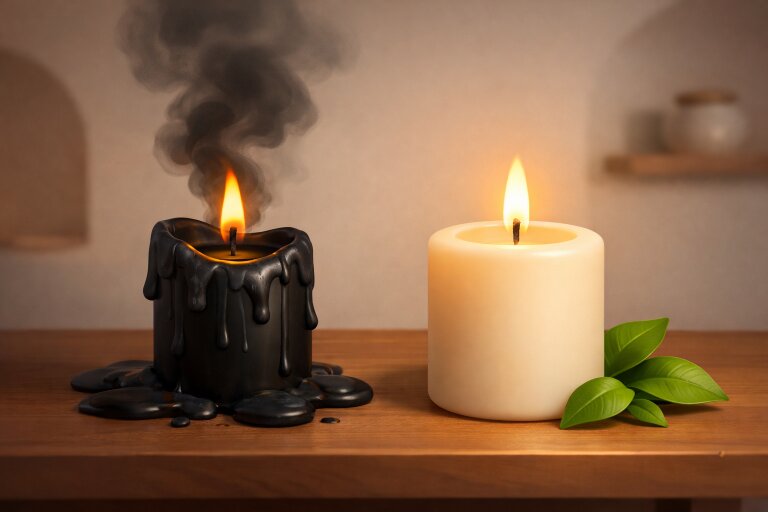
Candles are a cherished addition to many living spaces, setting a warm and inviting mood in homes across the world. Yet a surprising number of households remain unaware of the hidden risks associated with burning traditional paraffin candles. As these candles flicker away, they emit potentially harmful substances such as benzene and toluene, both of which are linked to respiratory concerns and compromised indoor environments. For those seeking a healthier alternative, clean burn candles offer a solution that elevates ambiance without sacrificing air quality.
Inhaling the pollution from conventional candles over time can subtly impact well-being, especially among individuals with asthma or allergies. As paraffin is a petroleum byproduct, its combustion not only produces soot but also introduces toxins that linger in the air long after the flame is extinguished, further increasing the risk of indoor air contamination.
What Are Clean-Burning Candles?
Clean-burning candles represent a shift toward healthier living and eco-friendly lifestyles. They are made from natural waxes like soy, beeswax, or coconut, and crafted with lead-free wicks. Unlike paraffin candles, clean-burning varieties generate very little soot and emit fewer airborne toxins, making them safer for regular use inside the home.
In addition, clean-burning candles often use scents derived from pure essential oils for a refreshing olfactory experience, free of harsh chemical additives. This focus on purity and safety helps create a more pleasant and health-conscious living environment.
Benefits of Clean-Burning Candles
- Improved Air Quality: Clean-burning candles significantly reduce the emission of harmful chemicals, making every breath indoors safer for the whole family.
- Eco-Friendly: Natural waxes are biodegradable and sourced sustainably, benefiting the planet and your home.
- Longer Burn Time: Soy and beeswax candles burn more slowly and evenly, allowing you to enjoy their gentle glow and fragrance longer than with standard paraffin options.
Choosing the Right Clean-Burning Candle
Quality matters just as much as ingredients when selecting the ideal clean-burning candle. The wax type plays a key role; always look for products that clearly state they use 100% natural waxes, such as soy, beeswax, or coconut. Another critical factor is the wick. Cotton or untreated wood wicks are preferred, as metal core wicks may release traces of unwanted substances into the air.
- Wax Type: Natural, plant-based waxes are safer for indoor use and are renewable resources.
- Wick Material: A pure cotton or wooden wick that contains no metal ensures a truly clean burn with no extra emissions.
- Fragrance: Opt for candles scented exclusively with essential oils. They offer appealing aromas while avoiding synthetic fragrances that can mask irritants or allergens.
Introducing LeMay Candles: A Healthier Choice for Your Home
One standout in the realm of clean-burning candles is LeMay Candles. Their carefully crafted products use natural soy wax and pure cotton wicks to offer a safer option for homes that prize healthy air alongside a lovely ambiance. The company is dedicated to transparency, listing full ingredient details and prioritizing eco-friendly practices throughout its production process.
Frequently Asked Questions
Are clean-burning candles more expensive than traditional ones?
Clean-burning candles sometimes carry a higher upfront price tag, but their extended burn time and health benefits often make them a better long-term investment. By lasting longer, they reduce the frequency of repurchases, helping offset the initial cost.
Can clean-burning candles still have strong fragrances?
Absolutely. Clean-burning candles can deliver rich and pleasant fragrances when scented with premium essential oils. Their aromas can fill a room just as effectively, if not more so, than standard candles made with artificial scents.
How can I verify if a candle is truly clean-burning?
Evaluate candles based on transparency in ingredient sourcing. Reputable companies will specify the types of wax and wick used, as well as whether they use essential oils for fragrance. Look for labels such as “phthalate-free” or “all-natural,” and read customer reviews for additional assurance. You can also consult guidelines from organizations such as the Environmental Protection Agency (EPA) to understand what constitutes a safe indoor-use product.
Conclusion
Clean-burning candles offer a healthier, more sustainable alternative to traditional paraffin options by reducing exposure to harmful toxins and improving indoor air quality. Made from natural waxes and safe ingredients, they provide lasting fragrance and ambiance while supporting eco-friendly living and better overall well-being for households seeking safer home environments.