

Introduction
Thoughtful landscape design begins below the surface, with a carefully planned excavation process setting the stage for lasting beauty and usability. Professional excavation creates the right conditions for growth, stability, and water management, ensuring your outdoor space achieves both form and function from the ground up. Whether preparing for water features, gardens, or patios, excavation is the unsung hero of landscaping, providing a blank yet stable canvas for your design vision.
Without careful excavation, landscapes may suffer from uneven surfaces, pooled water, or even the premature failure of hardscape features. By removing debris and addressing site-specific soil needs, experienced excavators work to mitigate common problems that can undermine the long-term success of any outdoor project. This essential groundwork enables tailored site grading, soil conditioning, and optimal placement of plants and features.
Strategic excavation also unlocks the opportunity to reshape sloping or flat land into scenic, functional, and inviting zones. The process helps eliminate weed-prone areas, prevents erosion, and improves accessibility—core elements of an exceptional landscape that matures beautifully season after season.
Shaping Terrain for Aesthetic Appeal
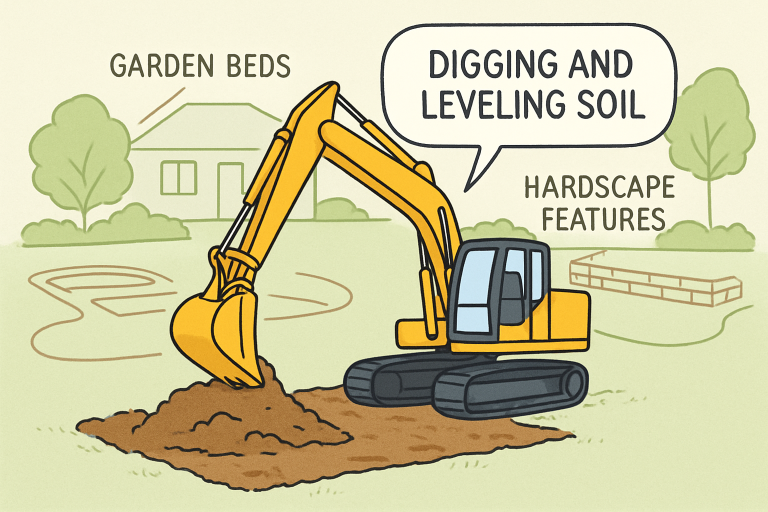
The art of excavation extends beyond preparing soil: it is instrumental in sculpting the land’s visual personality. When landscape architects employ techniques such as creating gentle slopes, building berms for privacy, or carving enchanting sunken gardens, excavation becomes a tool for both drama and cohesion. In many projects, professional soil delivery ensures the right type and quality of soil is available to achieve these designs effectively. Terracing a hillside, for example, reduces erosion and introduces valuable planting space while allowing the landscape to follow and enhance the property’s natural contours.
Whether the goal is to add dynamic elevation changes or create tranquil low-lying retreats, precise excavation and timely soil delivery make it possible to blend constructed elements seamlessly with the native terrain. Carefully planned grades and contours keep walkways, patios, and lawns visually pleasing and easy to maintain, a practice echoed by leading experts in the field.
Improving Drainage and Water Flow
Without effective drainage, even the best-laid landscaping plans are subject to failure. Excavation helps shape the property to keep water moving away from buildings and planting beds, minimizing the risk of erosion, soggy soil, and plant decline. Site grading plays a crucial role in directing runoff toward strategically placed drains, bioswales, or rain gardens. The benefits extend to foundation protection, as poorly controlled water can undermine hardscape or damage building structures over time.
With the increased frequency of extreme weather events, homeowners and designers are paying greater attention to drainage solutions. Properly executed excavation supports not just plant health but also the long-term sustainability of the outdoor environment.
Establishing Foundations for Hardscape Features
Patios, retaining walls, driveways, and garden paths all depend on firm, well-compacted foundations. Skilled excavation personnel dig down to the correct depth, factoring in local frost lines to prevent heaving, and remove organic materials that could settle unevenly. This ensures that hardscape elements remain stable, resist cracking, and maintain their intended alignment for years.
For retaining walls and other load-bearing features, excavation must create level pads and strong footings. Such thoughtful groundwork is essential for safety—and for preserving the clean lines and functionality that make hardscape features both practical and visually striking.
Enabling Utility Installation
Modern outdoor living environments often include hidden systems for lighting, irrigation, drainage, and sometimes even electricity. Excavation services create the below-ground infrastructure that supports these utilities. By installing conduits and pipes during the early stages of landscape development, crews ensure that these systems are functional, efficient, and unobtrusive, helping to preserve the natural look and usability of outdoor spaces.
Challenges Associated with Excavation in Landscape Projects
Despite its advantages, excavation can present unexpected hurdles. Hidden rock outcrops, roots, or unmarked utilities frequently emerge during digging, requiring expertise and adaptability to navigate. Environmental stewardship is another key concern; improper soil movement can contribute to runoff and habitat loss. Use of silt fences, phased work, and erosion controls helps minimize these risks.
Budget management is also essential, as changing site conditions or the need for specialized equipment may increase expenses. Attention to safety, including machine operation protocols and the use of protective gear, is critical to reducing hazards such as trench collapses and accidents.
The Impact of Proper Excavation on Landscape Longevity
When excavation is done right, landscapes last longer and require fewer repairs. Good drainage prevents plant die-off, while stable sub-bases keep patios and walls from settling or cracking. Proper grading conserves both the integrity and visual appeal of the outdoor space, promoting enjoyment through the seasons.
Poorly executed excavation, on the other hand, can have costly repercussions—from foundational issues to damaged utilities. Investing in skilled, experienced excavation ensures that every element, from lush lawns to paved walkways, stands the test of time.
Final Thoughts
Excavation forms the backbone of thoughtful, functional, and enduring outdoor design. By emphasizing preparation, grading, drainage, and structural support, every aspect of landscaping can flourish. Partnering with knowledgeable professionals at the outset provides not only peace of mind but also a sustainable and attractive result you’ll enjoy for years to come.


