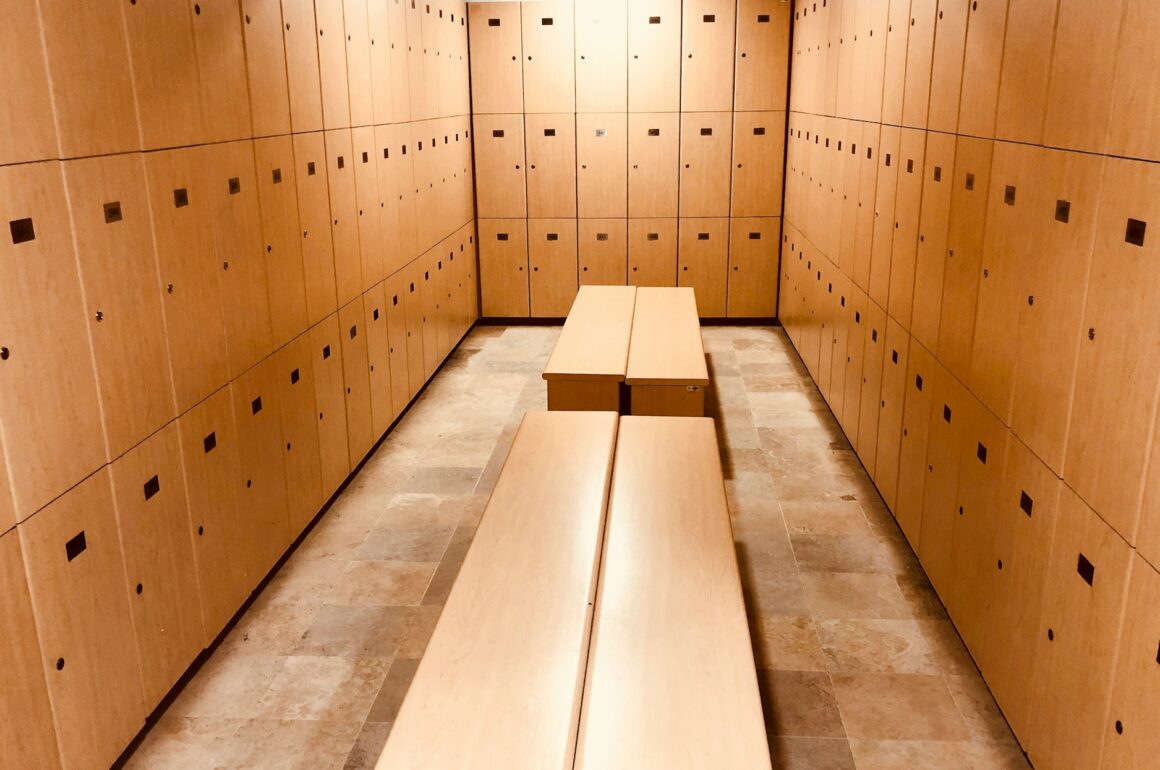
In today’s fast-paced environments, whether in gyms, schools, workplaces, or public spaces, the demand for efficient and secure storage solutions is growing. Locker systems have evolved far beyond simple metal compartments, incorporating technology, design flexibility, and user-friendly features to meet the needs of modern facilities. From digital access controls to modular configurations, these innovations enable organizations to optimize space, enhance security, and improve the overall user experience. Facilities are increasingly seeking storage solutions that strike a balance between practicality and aesthetic appeal, ensuring that lockers blend seamlessly into the environment while serving their functional purposes.
Among the diverse options available, facilities like those offering a storage locker Levittown PA, exemplify the trend toward versatile, well-organized systems that prioritize both security and convenience. Whether accommodating personal belongings, equipment, or professional materials, contemporary locker designs are transforming the way spaces are managed and accessed. Understanding these top trends is crucial for facilities seeking to modernize and efficiently meet the evolving expectations of their users.
Smart Technologies Enhancing Security and Convenience
The adoption of smart technologies is transforming locker systems from static storage into dynamic assets for modern facilities. With features such as biometric and RFID access, lockers can offer personalized, secure storage for each user. Biometric authentication, including fingerprint and facial recognition, has become especially popular in corporate workspaces and educational settings where security is a priority. AI-powered systems are also enabling the monitoring of access patterns and flagging unusual behaviors, thereby ensuring higher levels of protection.
Smart lockers tie into broader digital ecosystems by linking with facility management platforms or user mobile devices. This allows for remote assignment of access, real-time monitoring, and convenient self-service support for users. The rise of these technologies is supporting facilities as they adapt to an increasingly digital world, where expectations for easy and secure access are paramount.
Sustainable and Eco-Friendly Designs
Environmental sustainability is a driving force in the evolution of locker systems. Manufacturers are increasingly utilizing recycled metals, plastics, and eco-friendly coatings to produce lockers that leave a smaller footprint. The demand for materials that are both non-toxic and durable is high in sensitive environments, such as schools, medical centers, and green buildings. Locker providers implementing these practices are better aligned with organizations’ broader sustainability and ESG goals.
In addition to the ecological benefits, eco-conscious locker designs support facilities seeking to achieve certifications such as LEED or WELL. Utilizing renewable and recyclable resources in the construction process enables organizations to attract today’s environmentally conscious consumers and residents, demonstrating a commitment to climate-friendly choices.
Customization and Modular Designs
No two organizations have the same storage needs, which is why customization has become a top trend in locker system design. Facilities can now choose from a vast array of colors, finishes, and sizes, making it easier to integrate lockers aesthetically with their environments. Modular units enable flexible storage configurations, allowing facilities to expand or reconfigure their systems as their needs change.
Modular and customizable locker systems provide practical benefits, including easier maintenance, simplified replacement, and adaptability as organizations expand. These systems also support branding efforts, as companies and campuses can add logos or unique design elements that reinforce identity and foster a positive user experience.
Contactless Access and Payment Systems
In response to health and safety concerns, especially following the pandemic, contactless locker technologies are now in high demand. Users can open lockers or complete payments using QR codes, NFC (Near Field Communication), or dedicated mobile applications—all without handling traditional keys or touchpads. This approach boosts hygiene, which is critical in high-traffic public spaces and healthcare environments.
Besides making lockers safer, contactless technologies help streamline operations with faster, more efficient check-in and payment experiences. Facilities benefit from reduced staff workload and enhanced service delivery, while users value the convenience and peace of mind these solutions deliver.
Aesthetic Enhancements in Locker Designs
Lockers have evolved from plain and utilitarian to sleek, design-forward elements that enhance facility ambiance. The trend toward vibrant colors, modern finishes, and seamless integration with architectural aesthetics is redefining how lockers are perceived. Whether blending into a chic gym or elevating a corporate lobby, lockers now have a role in expressing brand personality and making guests feel welcome.
Creative lighting, durable laminate panels, and visually engaging hardware give lockers new appeal while ensuring they remain robust and functional. These design improvements help facilities stand out and demonstrate their commitment to providing a well-rounded, engaging user experience.
Integration with Business Systems
Locker systems today are increasingly interconnected with broader organizational platforms. Through integration with enterprise resource planning (ERP) and customer relationship management (CRM) software, lockers can become part of inventory management, user authentication, and facility analytics solutions. This synergy allows organizations to optimize space, track usage trends, and make data-driven decisions about resource allocation.
For example, universities can automate student locker assignments through integrated systems, and logistics companies can monitor parcel locker usage for better operational efficiency. This interconnected approach not only streamlines facility management but also opens new possibilities for personalizing services and improving efficiency.
Temperature-Controlled Lockers
With the rise of e-commerce, food delivery, and medical storage needs, temperature-controlled lockers are gaining popularity rapidly in modern facilities. These lockers maintain defined climates, ensuring the safe storage of perishable goods, pharmaceuticals, or sensitive electronics. Hospitals, grocery stores, and workplace environments are just a few settings that benefit from this innovation.
Controlled-temperature lockers are engineered with thermal regulation technology, enabling them to store hot or cold items while meeting strict regulatory requirements. This ensures that facilities can offer secure, compliant, and convenient storage for users with specialized needs.
Conclusion
The evolution of locker systems reveals a deepening relationship between technology, sustainability, and facility management. By integrating smart features, eco-friendly materials, modular designs, and advanced security, modern locker systems can deliver secure, efficient, and visually engaging storage solutions suitable for the demands of today’s users. Facilities that prioritize these trends are better positioned to offer standout amenities and meet the expectations of diverse users across various sectors.