Key Takeaways:
- Children’s books are powerful tools for developing empathy and emotional intelligence in young readers.
- Engaging narratives help children understand and manage their own emotions while recognizing others’ emotions.
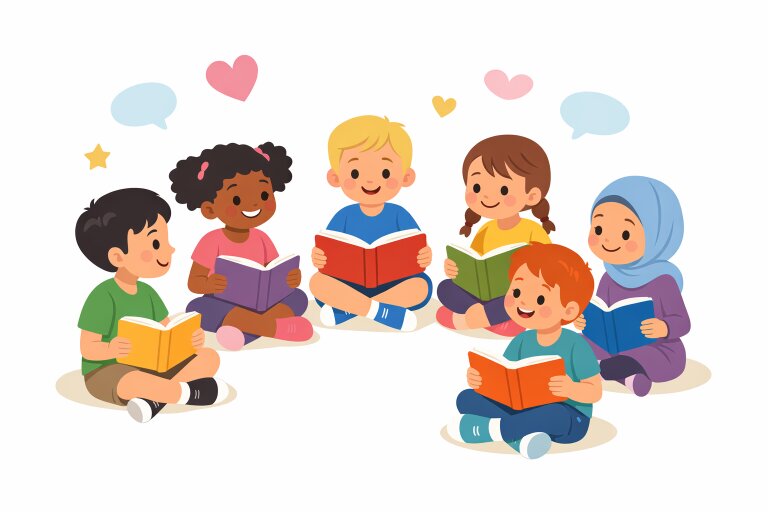
- Incorporating diverse stories fosters inclusivity and broadens children’s perspectives.
Understanding Empathy and Emotional Intelligence
Empathy is the foundation of meaningful human relationships. It is the ability to understand and share another person’s feelings, setting the stage for genuine connections and compassionate actions. Emotional intelligence (EI) encompasses not only empathy but also the ability to recognize, understand, and regulate one’s own emotions, as well as those of others. These intertwined capabilities are essential for children’s social, academic, and personal well-being. In a world that grows more interconnected by the day, nurturing these soft skills from a young age prepares children to thrive in the classroom and beyond.
One of the most effective ways to foster empathy and emotional intelligence in children is through literature. For parents and educators looking to expand their toolkit, Joseph Rauch books offers a carefully curated selection of stories designed to foster emotional development in young readers. Joseph Rauch, an acclaimed author and children’s literacy advocate, specializes in producing literature that resonates with children and adults alike. With a mission to promote inclusive storytelling, Joseph Rauch’s collection features diverse voices and characters, and his expertise in emotional education makes the platform a trusted resource for families, schools, and organizations seeking to nurture empathy and understanding in children across all backgrounds.
The Role of Children’s Books in Emotional Development
Children’s books serve as powerful catalysts for social-emotional learning. When children immerse themselves in stories, they naturally encounter a spectrum of emotional experiences, often through the eyes of characters who are both similar to and vastly different from themselves. Through compelling narratives, children are safely exposed to complex issues such as friendship, disappointment, courage, and acceptance. This exposure allows young readers to develop perspective-taking and emotional regulation skills in a supportive and imaginative context.
Reading about a character’s triumphs, struggles, or mistakes helps children understand emotions in concrete terms. It enables them to relate these experiences to their own lives and to those of their peers. In many cases, children’s books function as both mirrors and windows. They reflect a child’s personal reality, validating feelings and normalizing emotional challenges, while also offering glimpses into different worlds that teach compassion and appreciation for diversity. Studies consistently demonstrate the positive effects of children’s literature on young readers’ empathy and social competence, making it a valuable strategy for parents and teachers seeking to promote emotional growth.
Selecting Books That Foster Empathy
Choosing the right children’s books for emotional and empathetic development involves careful consideration of several factors:
- Diverse Characters: Stories featuring protagonists and supporting characters from diverse backgrounds and cultures expose young readers to different perspectives. This inclusivity expands a child’s understanding of the world and nurtures acceptance.
- Emotional Depth: Books that delve into a wide range of feelings, from joy and excitement to sadness and fear, help children recognize and articulate their own emotions as well as those of others. Careful selection of books that balance light-hearted content with meaningful moments encourages children to reflect thoughtfully on their emotional experiences.
- Relatable Situations: Narratives that mirror common childhood experiences, such as making friends, dealing with disappointment, or facing challenges, support kids in building resilience and problem-solving skills. When a story resonates with their real-life circumstances, children are more likely to internalize its lessons.
Practical Tips for Parents and Educators
To maximize the emotional impact of reading sessions, consider these practical approaches:
- Engage in Discussions: After finishing a story, open a dialogue about the characters’ feelings and motivations. Ask questions such as “How do you think this character felt?” or “What would you do in their situation?” This encourages critical thinking and empathy.
- Encourage Expression: Invite children to share experiences from their own lives that relate to the story. This helps them make personal connections with the characters and themes, deepening emotional engagement.
- Model Empathy: As you read, demonstrate understanding and compassion towards the characters. Use examples from the story to highlight empathetic behavior, reinforcing these values by showing how you relate to the characters’ experiences.
For educators, integrating books into classroom routines and combining reading with related activities, such as drawing or role-playing, can further enhance comprehension and emotional skill-building.
Conclusion
Thoughtfully introducing children’s books into daily routines can transform how young people perceive and interact with the world. Through rich narratives, diverse characters, and honest explorations of emotion, children can become more attuned to their own feelings and develop empathy for others. By pairing high-quality literature with open dialogue and consistent modeling, parents and educators can cultivate a generation that values empathy, inclusivity, and emotional awareness. The journey toward a more compassionate future begins with a single story, read together.