Key Takeaways
- Understanding the impact of conference space on meeting outcomes.
- Identifying essential features of an effective meeting environment.
- Exploring innovative design trends in conference spaces.
- Considering the benefits of flexible and non-traditional meeting areas.
- Recognizing the importance of technology integration in modern meeting rooms.
Selecting the right environment for your business meetings can make a significant difference in driving success, inspiring collaboration, and setting the stage for productive outcomes. Companies today recognize the importance of professional settings that enhance focus and engagement, catering to both in-person and remote attendees. For those seeking locations that foster productivity and collaboration, finding conference rooms near me remains a top priority in planning effective business gatherings.
The environment in which your team meets is much more than just a backdrop. A thoughtfully chosen conference space boosts morale, facilitates clear communication, and encourages creative problem-solving. These advantages don’t stop at aesthetics; they directly relate to the tangible results your team achieves. As workplace dynamics continue to evolve, the demand for spaces that blend comfort, flexibility, and advanced technology is steadily rising.
Modern business trends are reshaping how organizations view their meeting areas. Instead of settling for rigid, outdated meeting rooms, companies are investing in innovative designs that empower teams to do their best work. By focusing on both the physical features and technological capabilities, you create an environment where collaboration thrives, and every participant feels valued and engaged.
The Importance of Conference Space in Business Meetings
The physical setting of a business meeting directly correlates with its efficiency and success. Outdated or uncomfortable environments can distract participants, stifle creativity, and limit engagement. Conversely, a modern, well-designed space provides comfort and encourages open dialogue, which is crucial for decision-making and collaborative thinking. Research has shown that factors such as lighting, acoustics, and seating arrangements directly affect participants’ mood and productivity.
Companies with thoughtfully designed meeting spaces find it easier to keep teams connected, whether attendees are on-site or dialed in remotely. Maximizing the effectiveness of your conference room can have immediate and lasting returns for your business.
Essential Features of an Effective Conference Space
Carefully considering the features of your chosen meeting space can help set your team up for success. These components are key:
- Comfortable Seating: Invest in ergonomic chairs and adaptable seating arrangements that not only support long sessions but also promote participation and creativity.
- Natural Lighting: Access to daylight has been linked to improved well-being, increased focus, and better overall mood among meeting participants.
- Acoustic Design: Effective soundproofing and optimized acoustics reduce distractions from external noise and make it easier for everyone to hear and be heard, especially during hybrid or large meetings.
- Flexible Layouts: Rooms that can be quickly reconfigured to accommodate various meeting formats, such as workshops or board sessions, maximize space utilization and foster creativity.
Innovative Design Trends in Conference Spaces
The latest trends go far beyond basic boardrooms. Contemporary conference spaces are adopting creative design features inspired by other industries. Many are applying techniques from filmmaking, incorporating amenities such as multiple strategically placed cameras and customizable lighting to deliver optimal visuals for both in-person and virtual attendees. Such features make hybrid meetings more interactive and engaging, ensuring that remote participants are just as involved as those in the room.
Additionally, biophilic design elements, such as indoor plants and natural materials, are being used to create calming, energizing environments. The goal is always to reduce stress and boost creativity. Spaces that encourage movement, such as standing tables and breakout areas, further promote engagement and innovation.
The Rise of Flexible and Non-Traditional Meeting Areas
There is a growing trend toward adaptable and informal meeting environments. These “ad hoc” spaces, often scattered throughout offices and convention centers, are designed for impromptu conversations and idea exchanges. Outfitted with plush seating, charging stations, and high-speed Wi-Fi, these areas break away from the rigidity of classic conference rooms. The relaxed, comfortable vibe helps spark connections and makes attendees feel at ease.
More organizations are investing in lounge-style meeting zones and collaborative nooks to accommodate a variety of team preferences. These environments also support spontaneous brainstorming, quick project check-ins, and informal networking, which can be just as productive as scheduled meetings.
Integrating Technology for Enhanced Collaboration
Seamless technology integration is essential in today’s conference rooms. Reliable high-speed internet, wireless presentation tools, and state-of-the-art audiovisual systems are indispensable for supporting collaboration among participants regardless of location. Interactive displays, digital whiteboards, and comprehensive video conferencing solutions allow for smoother idea sharing and brainstorming.
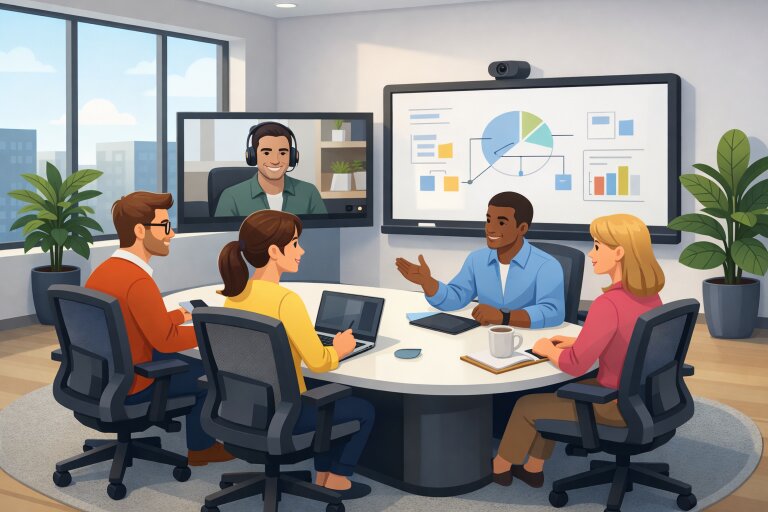
Consider equipping your conference spaces with dual screens for content sharing and live video, providing equal visibility to in-person and remote attendees. This avoids the disengagement often associated with video conferencing and ensures every participant can contribute meaningfully.
Smart technology can also streamline meeting scheduling and room management. Modern systems automate bookings, check-ins, and technical support, reducing downtime and eliminating common frustrations so meetings can start promptly and focus stays where it matters.
Conclusion
Investing in the right conference space has strategic implications for your business. By prioritizing comfort, flexibility, innovative design, and technological advancement, you create an environment where your team is prepared to tackle problems and generate solutions collaboratively. As workplace dynamics shift, adapting your meeting spaces will help your workforce remain productive and engaged, positioning your business for consistent success.