Key Takeaways
- Choosing a trailer that matches your vessel’s size and weight capacity is essential for safe transport.
- Materials like galvanized steel and aluminum each provide unique benefits in terms of durability and resistance to corrosion.
- Routine maintenance and legal compliance help ensure longevity and safety for trailer and boat alike.
Embarking on water adventures requires not only a dependable boat but also a reliable trailer to transport it safely. Whether you are heading to the local lake or preparing for a coastal journey, ensuring safe, secure, and legal transit of your boat is crucial. The process starts by selecting the ideal trailer for your vessel’s size, weight, and intended use. Before your next trip, consider scheduling a Trailer Inspection in Maryland to help identify potential issues and maintain peace of mind on the road. Your choice of trailer has a lasting impact on your boating experience. Matching your boat with the right supporting equipment will improve safety and decrease wear on both the trailer and the vessel. From the materials used to specialized features, every detail of your trailer contributes to convenient maintenance, legal compliance, and overall satisfaction.
Understanding Boat Trailer Types
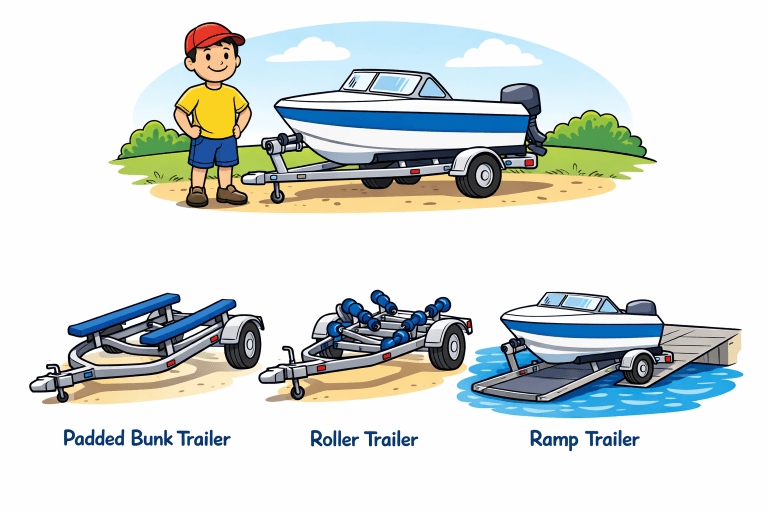
Boat trailers are designed to suit different vessels and launch conditions. The most common categories include:
- Bunk Trailers: Use padded bunks to provide stable hull support, making them well-suited for fiberglass or heavy boats.
- Roller Trailers: Feature rollers that enable quick and smooth launching or retrieval, particularly helpful for heavier vessels with flat or shallow hulls.
- Float-On Trailers: Allow your boat to float directly onto the trailer. They are a popular choice for larger powerboats or for launches on sloped ramps.
Assess your typical use case and launch preferences to determine which trailer type best serves your needs. Each type has specific advantages that address different loading scenarios and boat forms.
Material Considerations: Steel vs. Aluminum
The construction material of your trailer has a profound impact on overall durability, towing capability, and resistance to the elements. Common materials include:
- Galvanized Steel: Known for its high strength, this material resists corrosion, especially after being treated with a zinc coating. Galvanized steel is favored for saltwater use due to its resilience, although it may be heavier than other options.
- Aluminum: Naturally resistant to rust and corrosion, aluminum trailers are lightweight and easy to maneuver. Their lower weight can enhance fuel efficiency, making them an attractive choice for frequent travelers or for those launching in saltwater environments.
Choosing between steel and aluminum comes down to your usual boating location and how much long-term maintenance you are willing to commit to.
Matching Trailer Size and Capacity to Your Boat
Safety relies largely on having the right size and capacity for your vessel. Consider the following:
- Length: The trailer bunks or rollers should align with the hull’s support points, ensuring even weight distribution and a secure fit during transit.
- Weight Capacity: Always select a trailer rated for more than the fully loaded weight of your boat, including all gear, fuel, and passengers. Towing with an overloaded trailer is a recipe for damage and unsafe handling, and it can also void warranties or insurance protections.
Measure your boat and calculate your expected load before making a purchase or committing to upgrades.
Essential Features for Safety and Convenience
For added peace of mind and easier operation, prioritize the following features:
- Braking Systems: Essential for heavier setups, options such as surge or electric brakes provide reliable stopping power and meet various legal requirements.
- Lighting: Ensure the trailer is equipped with properly functioning lights and reflectors. Well-maintained electrical systems increase visibility and help meet state or federal requirements.
- Suspension: High-quality suspension systems promote smoother rides, reducing jarring impacts on your boat and minimizing wear over time.
Always double-check these features before departure to enhance both safety and convenience on the road. For additional insight on safe towing practices and equipment, the BoatUS Foundation offers valuable advice.
Maintenance Tips for Longevity
Proper maintenance extends the life and reliability of your trailer. To keep both your trailer and boat safe on every journey, rinse the trailer with fresh water after use, especially after saltwater launches. Regularly inspect tires for wear or cracks, check that brakes are responsive, and verify that all lights function as required. Lubricate moving parts, such as winches, axles, and couplers, to minimize rust and ensure smooth operation throughout the season.
Legal Considerations and Compliance
Compliance with state laws and regulations is non-negotiable for safe road travel. Ensure your trailer is properly registered and tagged. Familiarize yourself with state-specific trailer laws, which may outline minimum requirements for lighting, braking, and safety equipment. Double-check your towing vehicle’s limitations to verify it can handle the combined weight of your boat and trailer. Secure safety chains properly and confirm that all hitch connections are firm before each trip to avoid hazards or legal penalties.
Conclusion
Choosing the right boat trailer is a vital decision for any boat owner who wishes to maximize time spent enjoying the water while minimizing hassle and risk. By carefully considering the trailer type, size, materials, essential features, and compliance requirements, you ensure smooth, secure transportation to and from your favorite launch site. Regular inspections and ongoing maintenance will further safeguard your investment for many adventures to come.